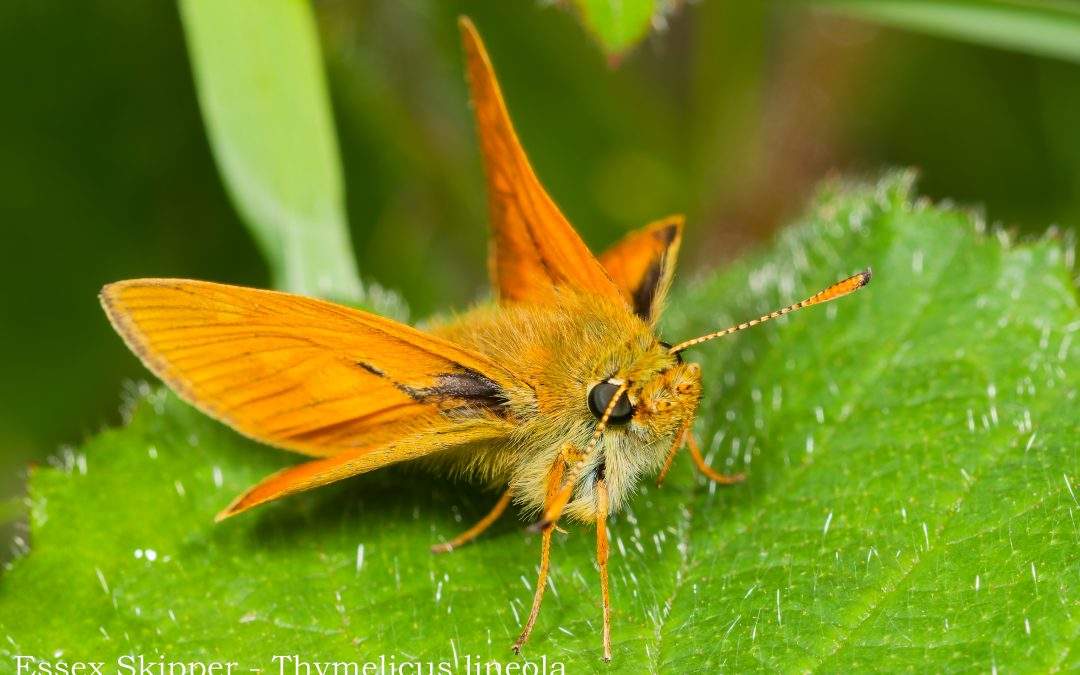
by Steve | Jun 21, 2026 | Uncategorized
Wyre Forest Study Group 3 June, 2026 Essex Skipper (Thymelicus lineola) If there were an award for “Most Frequently Mistaken Identity in the Insect World,” the Essex Skipper (Thymelicus lineola) would win it without even turning up to the ceremony. This tiny...
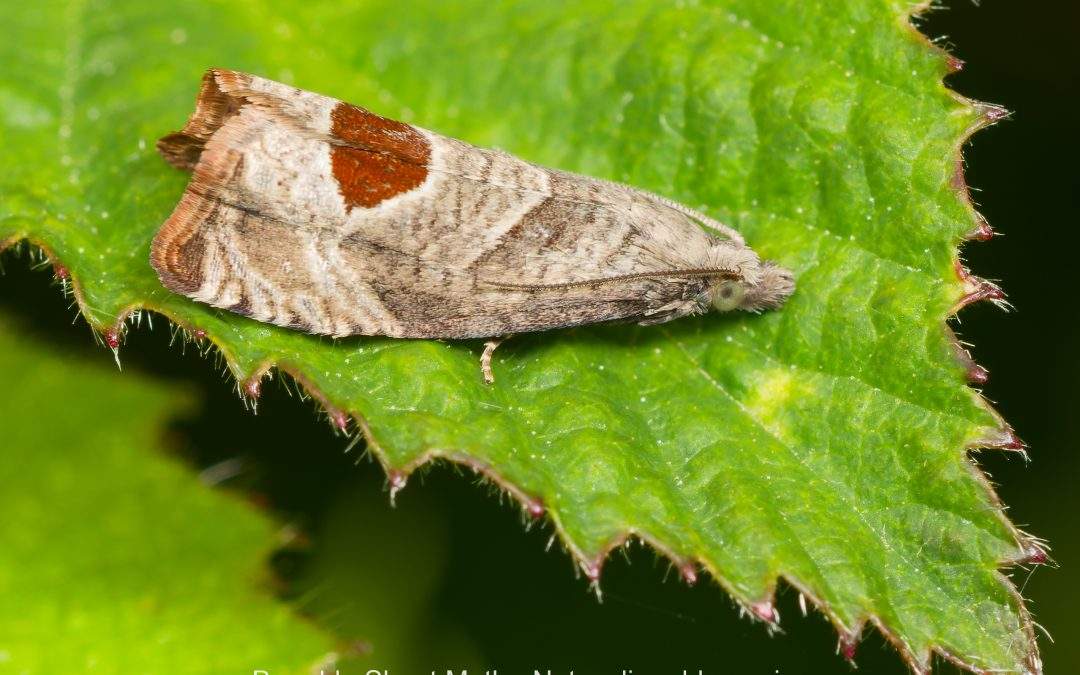
by Steve | Jun 4, 2026 | Uncategorized
Wyre Forest Study Group 3 June, 2026 Notocelia uddmanniana – Bramble Shoot Moth Notocelia uddmanniana is a small but unmistakable moth that’s often found wherever bramble grows. The adults, flying from June to August, show a neat grey...
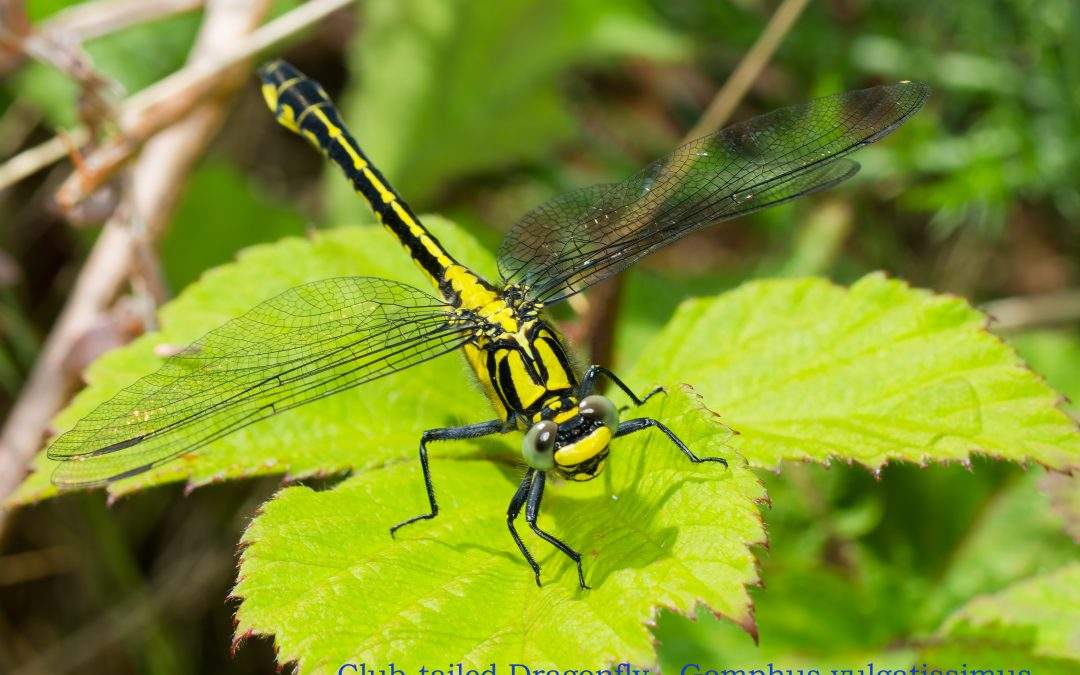
by Steve | Jun 3, 2026 | Uncategorized
Wyre Forest Study Group 3 June, 2026 Club‑tailed Dragonfly (Gomphus vulgatissimus) The Club‑tailed Dragonfly is one of Britain’s most elusive river insects. It spends 3–5 years hidden in the riverbed, then emerges for just a few weeks each May/June. That...
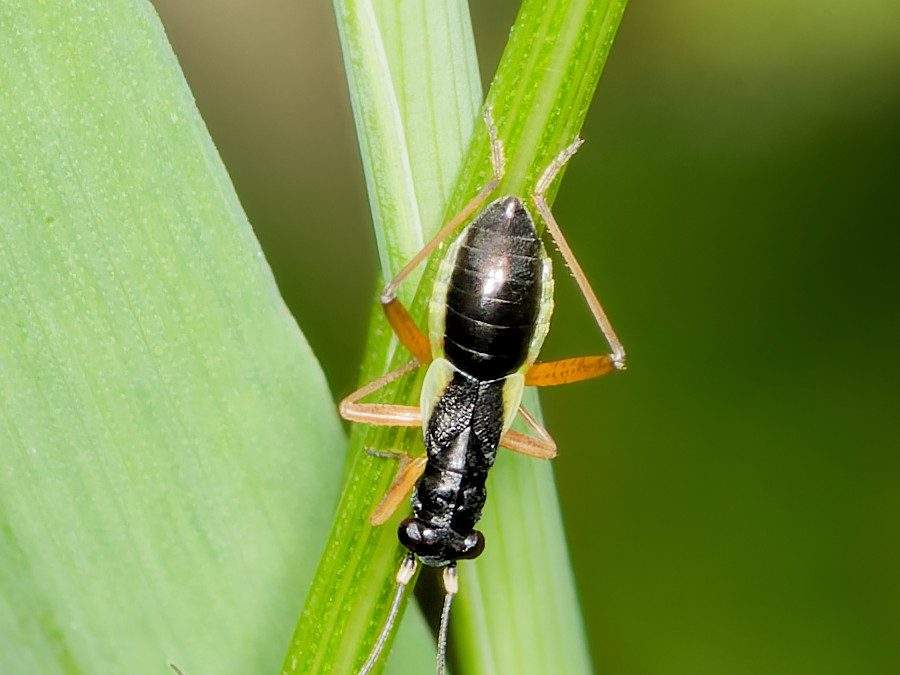
by Steve | Jun 3, 2026 | Uncategorized
Wyre Forest Study Group 3 June, 2026 Pithanus maerkelii During a recent field meeting, a tiny insect caught Rosemary’s eye. Something about this 5mm or so insect looked a little odd. A closer inspection revealed that it was Pithanus maerkelii—a...

by Steve | May 27, 2026 | Uncategorized
Wyre Forest Study Group 27 May, 2026 Grass Snake encounter Dave Howarth encountered this grass snake recently in Dowles below Coopers Mill. It looks as if it might have just had a good meal! The grass snake is Britain’s longest native snake, with females...